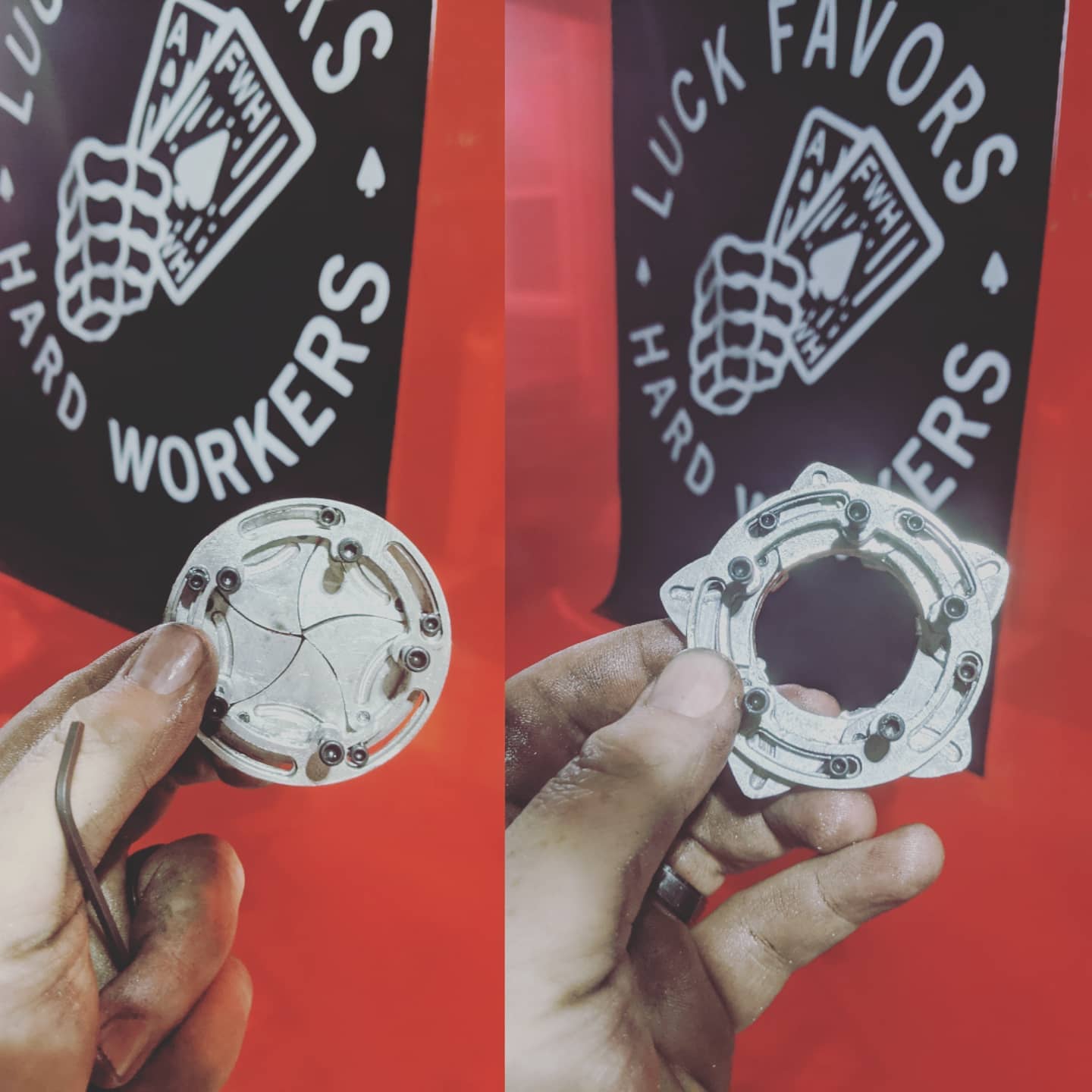
A gas cap with a twist.
A CNC-machined aluminum gas-cap prototype with a rotating iris. The overlapping leaves move together to open and close the center. A lot of math behind a small movement.
See the gas-cap post (opens in a new tab)A useful little fix. A custom part. Something that doesn’t exist yet.
I’m Chase. I design and prototype custom solutions, from software to parts you can hold. I’m taking on new prototyping and fabrication projects.
You don’t need a polished specification. You need something you want to make better.
An awkward process. A part you can’t find. A physical control for something digital. A sketch that keeps coming back to you.
My background is in design and software development. Making physical things extends the same work: understand the problem, build a version, try it, and improve what doesn’t work.
Small problems are worth solving, too.
The problem decides the tools.
Real builds. Real iterations.
A CNC-machined aluminum gas-cap prototype with a rotating iris. The overlapping leaves move together to open and close the center. A lot of math behind a small movement.
See the gas-cap post (opens in a new tab)
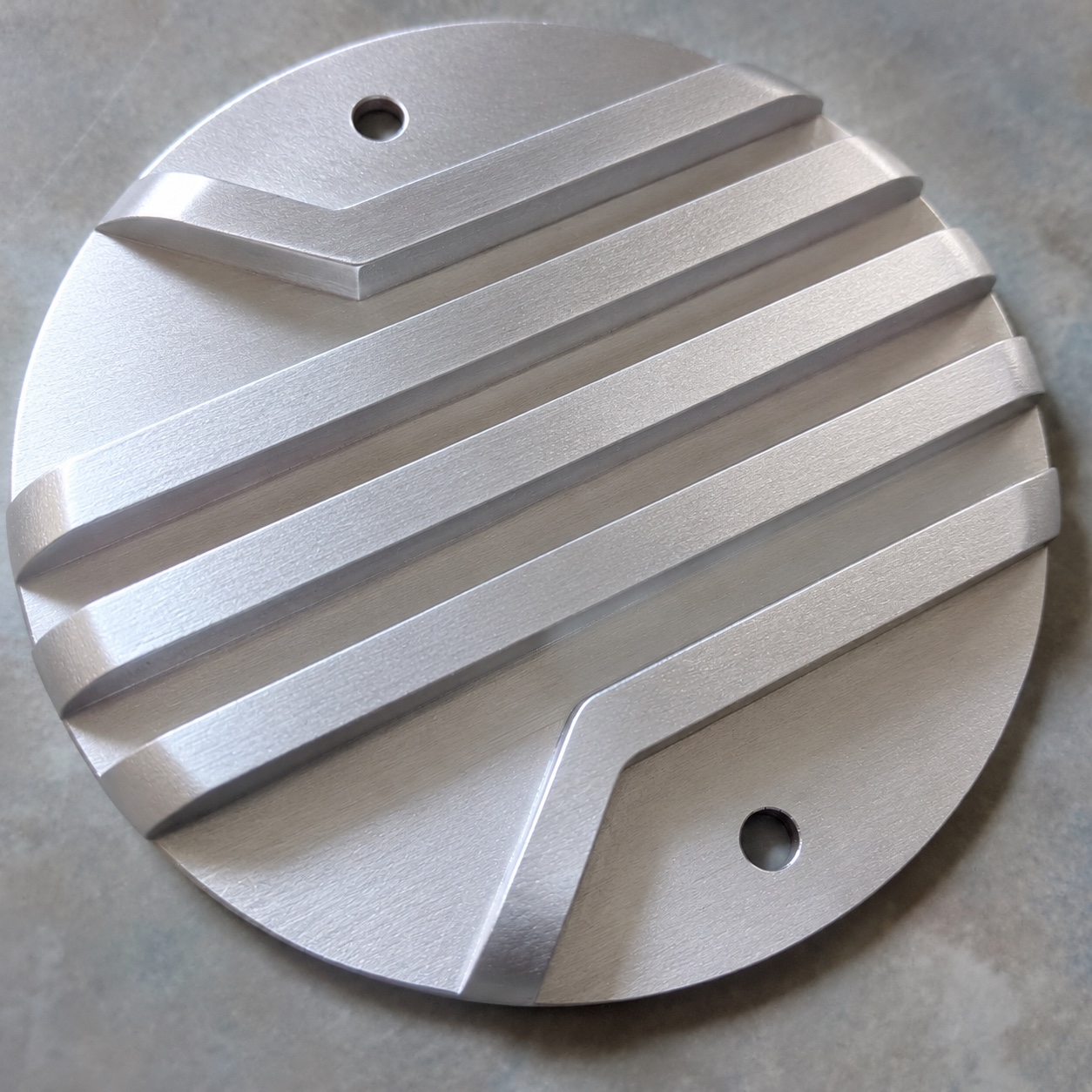
A CNC-machined aluminum ignition points cover for a motorcycle. The shape, surface, and mounting details turn a simple cover into a part with its own character.
See the points-cover post (opens in a new tab)A giant 3D-printed keyboard button that sends a command to a computer. The idea is playful. Making it feel right took CAD, printed parts, electronics, software, and several revisions.
The first guide pins broke. The design changed. The next version worked better. That’s the part of prototyping I want to show: how an idea becomes something usable.
Read the complete build story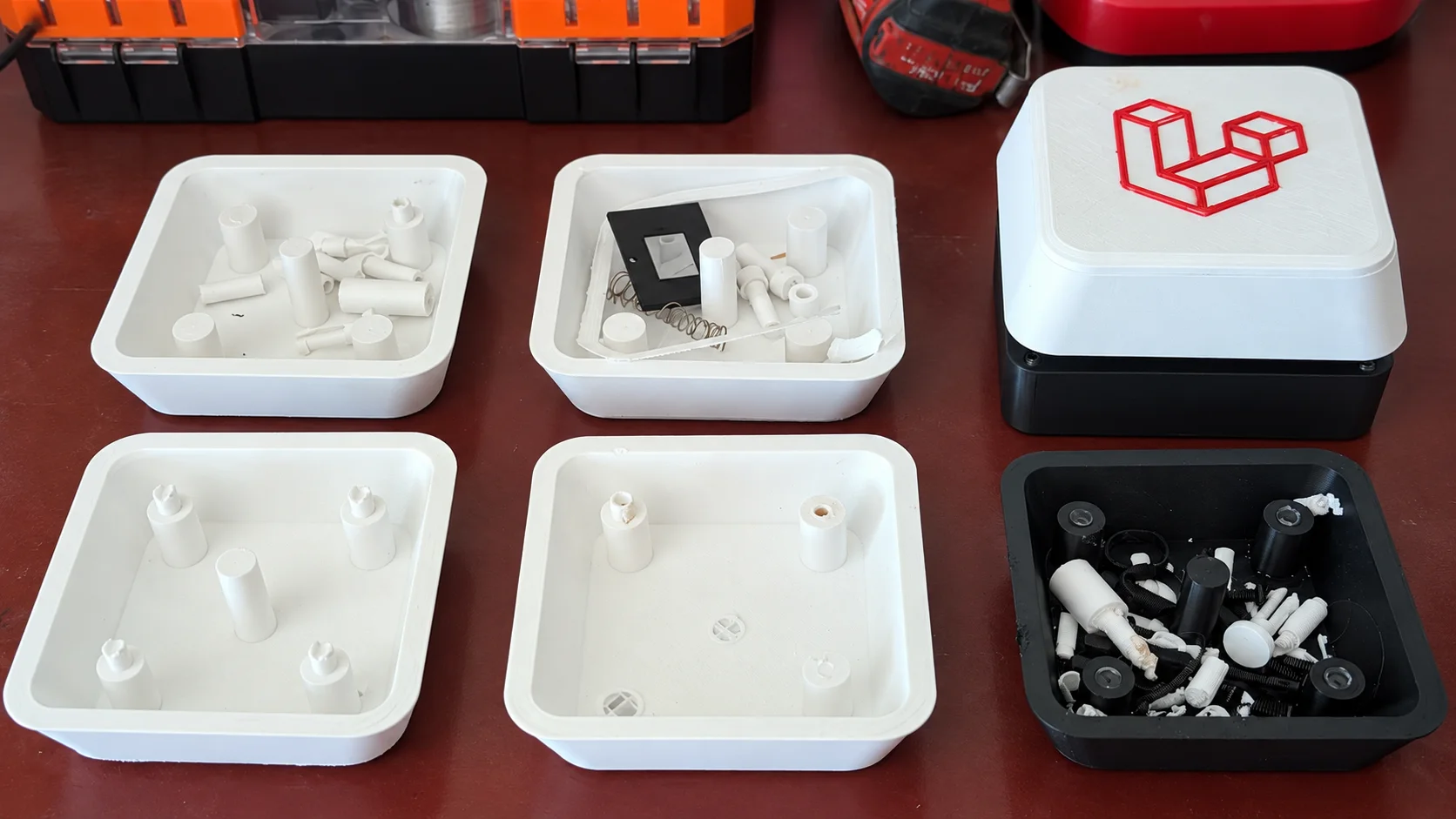
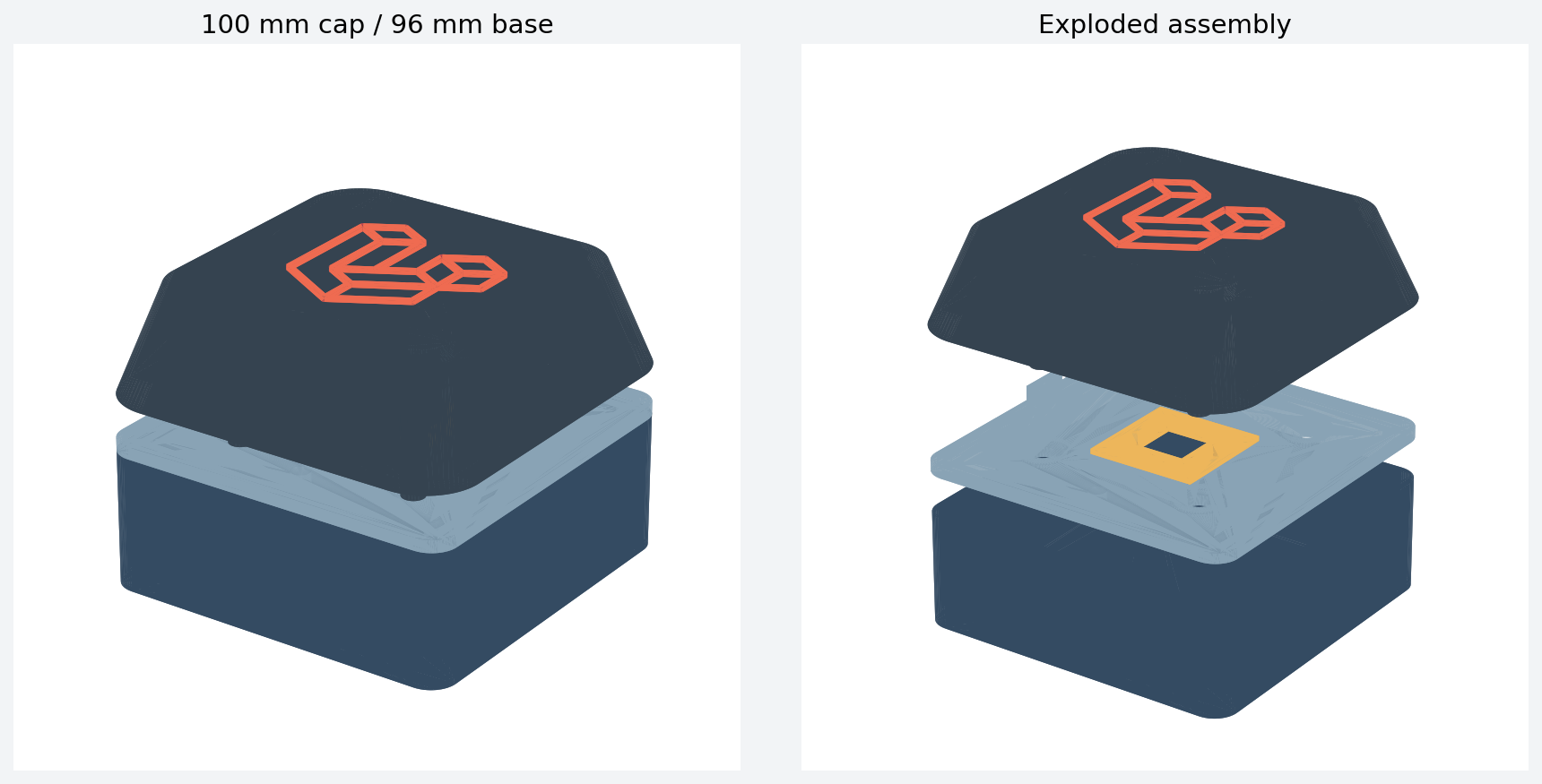
The cap needs to move evenly. The switch needs to register a press. The enclosure needs to come apart for service. Each detail has a job to do.
That’s why a prototype matters. A model can look right before the physical part works right.
More of the workshop’s history lives on Crumbls Lab on Instagram (opens in a new tab).
A practical way to move an idea forward.
What should it do? What does it need to fit? What would make the first version useful?
A sketch, a model, a print, or working software. Make the idea concrete enough to learn from.
Check what works. Find what doesn’t. Refine the details that matter in actual use.
Design, code, and the tools to make things.
The shop is already here: 3D printing, a 3-axis CNC machine with a rotary table, and TIG and MIG welding equipment.
Design and development are the foundation of Crumbls. I love turning ideas into prototypes, and I’m expanding the shop to take on more fabrication and custom builds.
Bring a custom part, a prototype, or a fabrication project. A rough sketch, reference photo, existing part, or description of the problem is enough to start.
Talk through your projectYou don’t have to know whether the answer is code, a printed part, or something else. We can work that out.